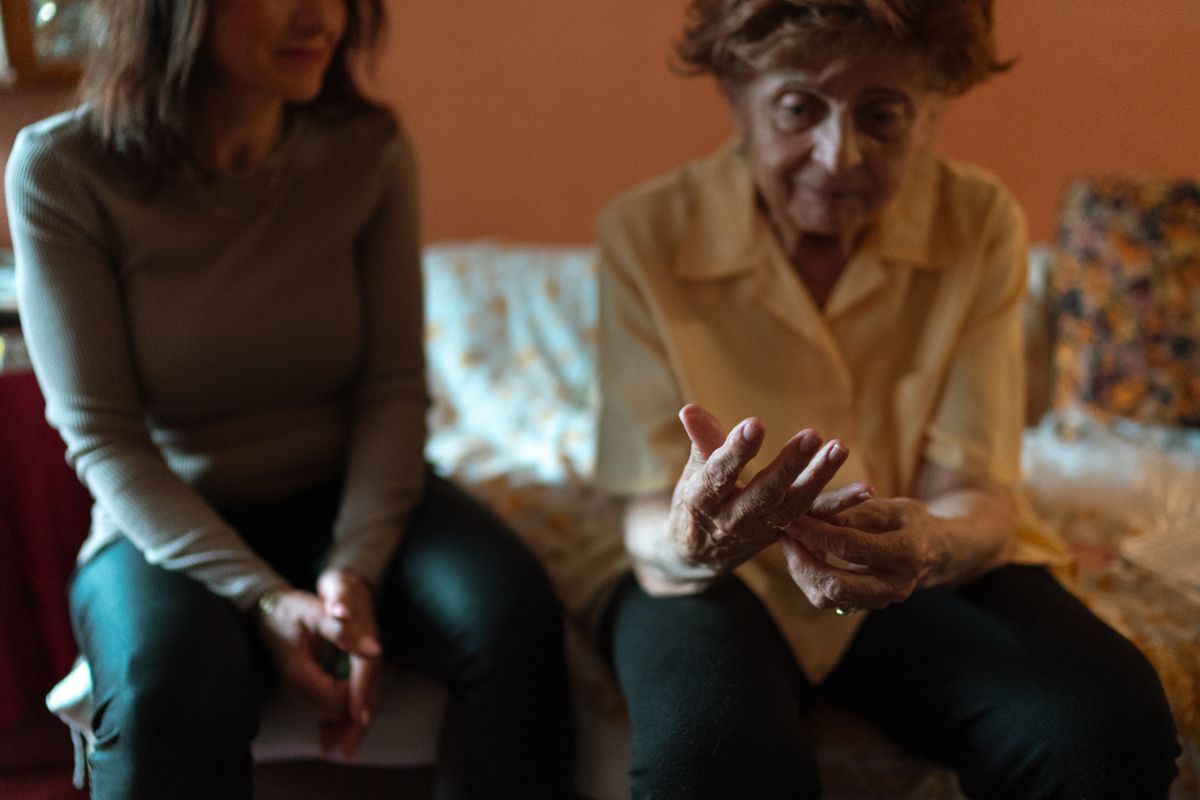
Being physically unable to leave the house doesn't disqualify anyone from getting a document notarized. I want to say that plainly upfront, because I think a lot of families assume it does, and put off paperwork for months as a result. What it does mean is that the notary needs to come to the signer, not the other way around — and that's exactly the appointment I do most often.
The one rule that never bends
The signer has to be physically present, and I have to be reasonably confident they understand what they're signing and aren't being pressured. That's it — that's the whole non-negotiable part. Everything else, where we meet, what time of day, how long we take — is flexible around what works for the person actually signing.
Where these appointments happen
- Private homes — the most common, and usually the easiest. A kitchen table with good light works fine.
- Hospitals — I'll call ahead to the nursing station to confirm visiting policies and whether the floor wants advance notice. Some hospitals have their own notary available; worth asking before you call one in from outside.
- Assisted living and nursing facilities — similar to hospitals, most have procedures for outside visitors like me, and front desk staff usually know them well.
- Hospice care — I take these appointments slowly and quietly, on purpose. There's no reason to rush a signing just because time feels short.
A brief word on capacity — the short version
I go into this in more depth in the article on notarizing a power of attorney, but the short version applies to any document: I have to be able to confirm, through a plain conversation, that the person signing understands what the document does. That's not a medical assessment on my part — just a basic conversation. If I can't get there, I have to pause the appointment, and that's true regardless of how much the family needs it done that day.
Accommodations for hearing, vision, or communication difficulties
If someone has trouble hearing, seeing the document clearly, or communicating verbally, tell me before the appointment so we can plan around it — larger print, more time, writing questions down instead of asking them aloud, whatever helps. If someone communicates through an interpreter, that's workable too, though it changes how the appointment is documented, so mention it when you schedule rather than when I walk in the door.
Slow is fine. Quiet is fine. What I need is genuine understanding from the person signing, however we get there — and families who plan for that ahead of time make the whole visit easier on everyone, especially the person at the center of it.
Need a notary to come to a family member?
Home, hospital, or care facility — tell me the situation and any accommodations that would help, and I'll plan the visit around it.
How families can help
The most useful thing a family member can do is give the notary and the signer room to talk directly, rather than answering questions on their behalf — even with the best intentions, that can make it harder for me to confirm the signer understands things themselves, which is the whole point of the visit. Beyond that: have the document ready, have ID on hand, and don't be shy about asking questions before we start. For the caregiving side of this beyond just notarization logistics, my colleague Priya's POA article and my own caregiver's guide are both worth a read.
When guardianship is already in place
If a family member already has a court-appointed guardian for the person who needs a document signed, that changes the picture. Depending on the scope of the guardianship, the guardian may be the one authorized to sign certain documents on the person's behalf, rather than the person signing themselves. If that's your situation, bring the guardianship order to the appointment — I'll need to see it to confirm what the guardian is actually authorized to do, since guardianship orders can be broad or narrowly limited to specific decisions.
On cost, since it comes up
Families sometimes hesitate to call a mobile notary for an elderly relative, assuming it's a significant added expense compared to a free notarization at a bank. There's usually a modest travel fee involved, covered in more detail in our article on notary fees, but weighed against the cost of transporting someone who's frail, unwell, or simply unable to travel safely, it's rarely the deciding factor people expect it to be.
Common questions
What if the person is nonverbal but can still communicate through gestures or writing? That can work, as long as I can confirm through some reliable means that they understand what they're signing and are choosing to do so. Tell me about the communication method ahead of time so we can plan the appointment properly.
Will you notarize a document if a family member insists it's urgent but the signer seems unsure? No — urgency on the family's part doesn't change the requirement that the signer understands and consents. I'd rather reschedule than notarize something I'm not confident about.
Can I be in the room during the signing? Generally yes, though I may ask to speak with the signer alone briefly to confirm their understanding without anyone else answering for them.
Working with facility staff
Nursing homes and assisted living facilities see notaries often enough that most have a routine for it, even if it's not written down anywhere. Front desk or nursing staff can usually tell you quickly whether there's a preferred check-in process, whether the facility has restrictions on outside visitors during certain hours, or whether they'd prefer advance written notice rather than a same-day call. I've found that being straightforward about why I'm there — "I'm a notary, here for a scheduled signing with a resident" — moves things along faster than trying to explain the whole backstory to whoever's at the desk. Staff generally aren't involved in the signing itself, but they're often the ones who can get me to the right room quickly, which matters more than people expect when a facility is large.
One thing families sometimes don't realize: I can't rely on facility staff to vouch for a resident's identity or state of mind in place of my own assessment. I appreciate their help getting me to the right door, but the actual confirmation — identity, understanding, willingness — has to come from my own conversation with the resident, every time.
It's never too early to ask
I'd rather get a call from a family that isn't sure yet whether they'll need this service than have a family wait until an urgent hospital situation to learn it exists. If a parent or relative is getting older and you can already picture a future appointment like this, feel free to call now with questions, even if nothing's scheduled yet. There's no cost to asking, and it means one less thing to figure out later, at a moment when you'll have plenty else on your mind.
Distance and mobility limitations are logistics problems, not legal ones, and logistics problems have solutions. If a family member's situation has kept you from getting something notarized, that's exactly the kind of call worth making, even just to ask what's possible before you assume it isn't.