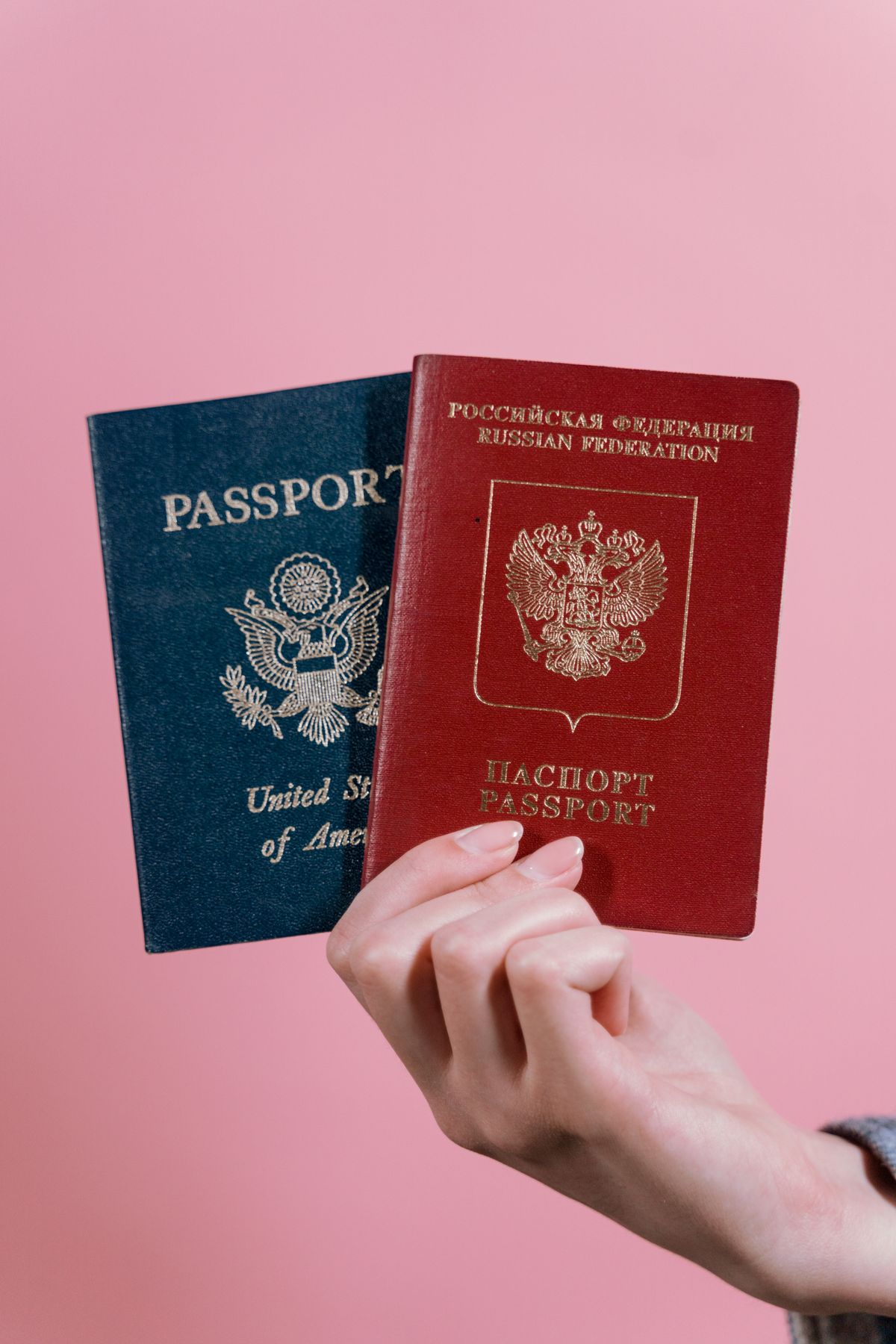
Someone applying to a graduate program in Germany, or accepting a job in the UAE, or adopting a child from overseas, eventually runs into the same sentence: "this document must be apostilled." Nobody explains what that means, and the word itself doesn't help — it's not English, and Kansas doesn't exactly teach it in school. So let's define it properly.
What an apostille actually certifies
An apostille is a certificate that authenticates the origin of a public document — it confirms that the notary's seal, or the official signature, on your document is genuine and that the person who signed or sealed it actually holds that authority. It does not evaluate whether the content of your document is true or accurate. Think of it less as a stamp of approval on what the document says, and more as a stamp of approval on who signed it.
Apostilles exist because of an international treaty — the Hague Apostille Convention — that lets member countries accept each other's public documents without a lengthier, country-by-country authentication chain. If a document is headed to a country that's part of that convention, an apostille is usually what you need. If it's headed somewhere that isn't a member, the process is different (more on that below).
How the process actually works in Kansas
- Notarization, if the document requires it. Many documents need to be notarized before they're eligible for an apostille at all — the apostille is authenticating the notary's authority, so the notarization has to exist first.
- Submission to the Kansas Secretary of State. That office issues the actual apostille certificate for documents notarized in Kansas or issued by Kansas state offices.
- Attachment to your document. The apostille certificate gets attached to your original document, and the package together is what your destination country accepts.
We handle the first step and guide you through the second and third as part of our apostille services — including the submission itself, so you're not figuring out Secretary of State paperwork on your own on top of everything else.
Documents that commonly need one
- Vital records — birth certificates, marriage certificates, death certificates
- Diplomas and academic transcripts
- Powers of attorney and corporate documents used for business abroad
- Adoption paperwork, which often needs to satisfy both Kansas and the destination country's requirements — see our article on adoption and guardianship paperwork for the notarization side of that process
Apostille vs. "authentication" — not always the same thing
If your document is headed to a country that isn't part of the Hague Convention, you're typically looking at a different, often multi-step authentication process instead of a straightforward apostille — sometimes involving that country's embassy or consulate. Which category your destination falls into, and exactly what that country's receiving office wants to see, is specific enough that I'd rather point you to the current requirements than guess. This is genuinely one of those areas where the destination country's own consulate or embassy website is more reliable than anything I could summarize here, since requirements are set by them, not by us.
An apostille doesn't make your document more true. It makes it recognizable to a foreign government as something a genuine Kansas notary or official actually signed. That's the whole function, and it's a narrower one than most people assume going in.
Need a document apostilled?
We'll notarize what needs notarizing and walk the whole package through Secretary of State submission with you — tell us your destination country and we'll flag anything unusual upfront.
On timing
Processing times move around based on the Secretary of State's current volume, and I'd rather not put a specific number of days in writing that might be stale by the time you read this. What I will say plainly: start earlier than you think you need to, especially around visa deadlines, program start dates, or closing dates on international transactions. An apostille is rarely the step that ruins someone's timeline, but only because the people who plan ahead don't let it become one.
A worked example, start to finish
Say you've been offered a teaching position in Spain, and the school needs your college diploma apostilled before they'll finalize your contract. Here's roughly how that moves through our office: first, we'd confirm what your diploma requires — often a certified copy from your university's registrar, since apostilling the physical diploma itself isn't usually the right move. That certified copy typically needs a notarized affidavit attached confirming it's a true copy. From there, we submit the notarized package to the Kansas Secretary of State, who reviews it and attaches the apostille certificate. The completed package — certified copy, notarization, and apostille all together — is what you'd send to the school in Spain.
Every document type has its own version of this path. A birth certificate usually doesn't need the certified-copy step, since the state already issues an official copy; a power of attorney generally does need the notarization step but not a prior certified copy. Part of what we do upfront is figure out which version of the process applies to what you're holding, rather than making you guess.
Common questions
Can I apostille a document myself without going through a notary? If the document already carries the right kind of official signature or seal — some vital records, for instance — you may be able to submit directly to the Secretary of State. If it needs notarization first, that step has to happen before submission, which is where we come in.
Does an apostille expire? The certificate itself doesn't expire, but some receiving institutions only accept apostilles issued within a certain window before they're presented — often six months to a year, though this varies by receiving party, not by the apostille itself. Confirm with whoever's requesting the document.
What if my document was issued in a different state? It generally needs to be apostilled by that state's Secretary of State, not Kansas's, since the apostille authenticates the issuing state's official who signed it. We can help you figure out which office that is.
Checking whether your destination is a Hague Convention member
Roughly a hundred countries participate in the Hague Apostille Convention at this point, but membership does change occasionally, and I'd rather not print a static list here that could go stale. Before you assume your destination country accepts an apostille, it's worth a quick check — the U.S. State Department maintains current guidance on this, and it's a more reliable source than any fixed list in an article that might be read years after it's written. If your destination isn't a member, you're likely looking at a full authentication process through that country's embassy or consulate instead, which typically takes longer and involves more steps than a standard apostille.
This is worth checking early in your process, not after your document's already been notarized and sent to the Secretary of State, since the two paths — apostille versus embassy authentication — branch off in different directions almost from the start.
The one thing worth remembering
Apostilles are administrative, not adversarial — nobody's evaluating whether your document deserves one, only whether it was properly notarized or issued. Once that's confirmed, the certificate itself is close to a formality. The real work is making sure the underlying document and its notarization are correct before it ever reaches the Secretary of State's desk.